

Farm Equipment Finance :: News
SHARE

Share this news item!

Bigger Seeder Packages Are Becoming a Bigger Finance Decision

Why sowing capacity, precision and cash flow now need to be assessed together

Bigger Seeder Packages Are Becoming a Bigger Finance Decision?w=400

The information on this website is general in nature and does not take into account your objectives, financial situation, or needs. Consider seeking personal advice from a licensed adviser before acting on any information.

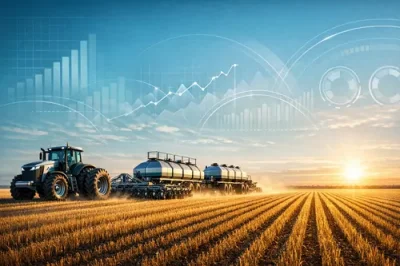
Recent rural machinery coverage has again highlighted how quickly seeding technology is moving, with growers showing stronger interest in wider bars, larger air carts, improved metering systems and more accurate seed and fertiliser placement.
For grain producers working with narrow sowing windows, the attraction is straightforward: cover more country at the right time, reduce overlaps, improve establishment and make better use of labour.

The finance question, however, is becoming more complex. A modern seeding package is rarely just one machine. It may involve the bar, cart, section control, guidance integration, liquid systems, hydraulic upgrades and, in some cases, a larger tractor to pull the setup effectively. That means the real capital requirement can be much higher than the headline price of the seeder itself.

For Australian farmers, the key is to look beyond capacity and ask whether the machine will genuinely improve whole-farm profitability. A wider system may reduce the number of sowing days, but it can also increase fuel use, maintenance exposure, storage needs and transport constraints. If the farm is split across multiple blocks, road width and paddock access can be just as important as hectares per hour.

This is where structured farm equipment finance planning matters. Before committing, growers should model repayments under different crop income and interest rate scenarios. Seasonal repayment options may help align commitments with grain sales, while a balloon payment can reduce regular repayments but leaves a larger final obligation to manage. Trade-in values should also be treated conservatively, particularly if the used machinery market continues to normalise.

There are several practical questions worth testing before signing an order:

  • Will the seeding system reduce contractor costs, labour pressure or machinery hours elsewhere?
  • Does the existing tractor have enough horsepower, hydraulics and ballast for the proposed setup?
  • Can the farm's cash flow support repayments in a weaker yield or price year?
  • Are parts, servicing and dealer support available within the critical sowing period?
  • Will precision features deliver measurable input savings, or mainly operational convenience?

The decision also sits alongside earlier upgrade themes affecting the sector, including the softer used machinery market. If second-hand values are easing, there may be opportunities to buy well, but also a need to be realistic about the value of traded equipment.

For growers preparing for the next sowing season, the best outcome is not necessarily the biggest machine. It is the finance structure and equipment specification that fit the farm's scale, seasonal income cycle and long-term productivity goals.

Published:Thursday, 6th Aug 2026
Author: Paige Estritori

Please Note: We do not endorse any specific products or companies. Some content is sourced from third parties, including press releases, and may not be independently verified for accuracy or completeness.

Share this news item:

Rate this article

0 Comments

No comments yet. Be the first to share your thoughts.

Finance News

Bigger Seeder Packages Are Becoming a Bigger Finance Decision
06 Aug 2026: Paige Estritori
Recent rural machinery coverage has again highlighted how quickly seeding technology is moving, with growers showing stronger interest in wider bars, larger air carts, improved metering systems and more accurate seed and fertiliser placement. For grain producers working with narrow sowing windows, the attraction is straightforward: cover more country at the right time, reduce overlaps, improve establishment and make better use of labour. - read more
Softer Used Machinery Market Could Open Upgrade Opportunities
05 Aug 2026: Paige Estritori
Recent rural machinery coverage points to a used equipment market that is becoming more balanced after several years of tight supply, elevated values and strong competition for well-kept machines. For Australian farmers who delayed upgrades during the peak pricing period, that shift may create a more practical window to replace ageing tractors, headers, seeders, sprayers or support equipment without the same pressure to move immediately. - read more
Precision Spraying Is Becoming a Bigger Finance Decision for Growers
29 Jul 2026: Paige Estritori
Recent rural machinery coverage has again put precision spraying in the spotlight, with growers showing stronger interest in optical and camera-guided systems that can target weeds more selectively. For broadacre farms facing herbicide resistance, tighter chemical rules and rising input costs, the appeal is clear: better application accuracy, reduced waste and the potential to cover large areas with fewer unnecessary passes. - read more
RIC Loan Rate Rise Adds a Fresh Planning Point for Farm Borrowers
22 Jul 2026: Paige Estritori
The Regional Investment Corporation’s latest rate move is a timely reminder that farm borrowing costs can shift even when a loan is designed to provide concessional support. From 1 August 2026, the variable interest rate applying to RIC loans is set to rise from 5.18 per cent to 5.71 per cent, ending a two-year period without an increase. - read more


Farm Equipment Finance Articles

Harvester Loans: Finance for Farm Equipment
In Australia, the agricultural finance landscape is as diverse as the vast farmlands it supports. With a growing need to enhance productivity and efficiency, farmers are turning to advanced machinery to keep pace with modern demands. This is where financial solutions like harvester loans come into play. - read more
Irrigation Equipment Loans: Finance for Farms
Irrigation systems play a crucial role in the success of farming operations in Australia. With unpredictable weather patterns and the vast dryland areas, having an efficient irrigation system can significantly enhance crop yields and sustain production during periods of low rainfall. From increasing water efficiency to improving crop quality, the benefits are numerous and indispensable for modern agriculture. - read more
Comparing Loan Options: Which Farm Equipment Finance is Right for You?
Farm equipment plays a pivotal role in modern agriculture, driving efficiency and productivity across Australia's vast and diverse landscapes. From tractors and combines to the latest irrigation systems, these sophisticated tools are essential for meeting the demands of a growing population and climate challenges. Without the right equipment, farmers would struggle to maintain the quality and quantity of their produce. - read more
Tractor Loans: Finance for Farm Equipment
Tractors are the backbone of modern farming, revolutionizing the way we cultivate and manage farmland. From plowing fields to sowing seeds and reaping harvests, tractors significantly increase efficiency and productivity on the farm. - read more

Knowledgebase
Loan Application Fees:
Fees that are charged to cover or partially cover the lender's internal costs of setting up a loan approval for a home buyer.